Scrap metal recycling plays a significant role in the sustainability and environmental conservation efforts across Australia. It not only helps reduce waste but also provides a way to conserve precious natural resources. Whether you’re a business, homeowner, or industry professional, understanding the ins and outs of scrap metal recycling is essential for contributing to a cleaner, greener future. Here’s everything you need to know about scrap metal recycling, specifically in Mulgrave, Victoria.
What is Scrap Metal Recycling?
Scrap metal recycling involves the collection, processing, and reuse of old or discarded metal products. It’s an eco-friendly solution that reduces the need for new raw materials, which in turn lowers energy consumption and greenhouse gas emissions. Recycling scrap metal is not only beneficial for the environment but also offers economic advantages by turning waste into valuable resources.
Metals such as copper, aluminium, steel, iron, and brass are common materials that can be recycled. Each type of metal has its own unique recycling process, but all contribute to reducing the environmental impact of metal production.
Why Should You Recycle Scrap Metal?
Environmental Impact: Recycling scrap metal conserves natural resources. Mining for metals is an energy-intensive process that can harm ecosystems. By recycling scrap metal, we minimise the need for new mining operations, thereby reducing habitat destruction and greenhouse gas emissions.
Energy Savings: It takes less energy to recycle metal than to produce new metal from raw materials. For example, recycling aluminium saves up to 95% of the energy required to make aluminium from bauxite ore. This significantly reduces carbon emissions and conserves energy.
Economic Benefits: Recycling scrap metal creates jobs in collection, sorting, and processing. It also contributes to the local economy by supporting recycling businesses and helping industries that rely on recycled metal as raw material.
Waste Reduction: Scrap metal recycling is an excellent way to reduce the volume of waste sent to landfill. By properly disposing of scrap metal, you contribute to lowering landfill usage and the associated environmental impacts.
Common Types of Scrap Metal
In Australia, the following types of scrap metal are commonly recycled:
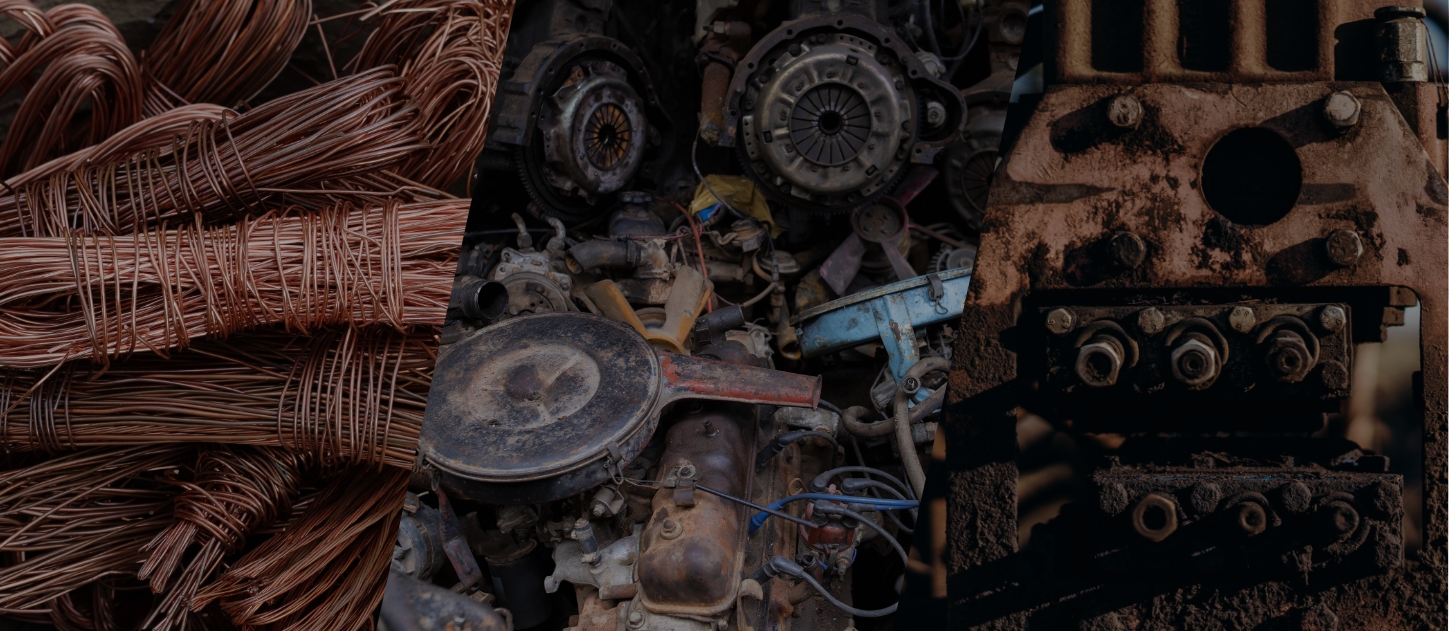
Ferrous Metals: These metals contain iron and include items like old steel pipes, car bodies, and appliances. Ferrous metals are magnetic, making them easy to separate during recycling processes.
Non-Ferrous Metals: These metals do not contain iron and are generally more valuable. Common examples include copper (found in wires), aluminium (in cans and foil), lead (from batteries), and brass (used in fittings and plumbing).
Precious Metals: Scrap gold, silver, and platinum, often found in old electronics, are highly valuable and recyclable. Recycling precious metals prevents waste and provides a sustainable way to source these materials.
How Does Scrap Metal Recycling Work?
The process of recycling scrap metal involves several steps:
Collection: Scrap metal is collected from various sources such as businesses, industries, and households. Metal objects like old cars, machinery, and appliances are some of the most common scrap metal items.
Sorting: After collection, scrap metal is sorted into ferrous and non-ferrous metals. Some recycling centres may use magnets to separate ferrous metals, as they are magnetic, while non-ferrous metals are sorted manually or through other technologies.
Processing: The metals are cleaned to remove contaminants like plastic, paint, and dirt. After cleaning, the metals are melted down in furnaces to create new metal products. The melting process requires far less energy than extracting metal from ores.
Shaping and Reusing: The molten metal is then shaped into new products like sheets, pipes, or rods, which are sold back into industries for manufacturing. This helps close the loop in the metal lifecycle.
Scrap Metal Recycling in Mulgrave, Victoria
Mulgrave, a suburb in Melbourne’s southeast, is home to numerous businesses and residential areas that generate a substantial amount of scrap metal. Local recycling centres in Mulgrave and surrounding regions play an essential role in collecting and processing scrap metal. Whether you have old appliances, metal scrap from construction projects, or unused vehicles, there are recycling services available to ensure your metal waste is disposed of responsibly.
For residents and businesses in Mulgrave, recycling scrap metal is simple and hassle-free. You can contact local scrap metal recyclers to arrange a collection or visit a recycling centre nearby. By doing so, you’ll contribute to reducing landfill waste and making sure valuable resources are reused.
How to Get the Best Value for Your Scrap Metal
When recycling scrap metal, it’s important to know that different metals have different market values. Non-ferrous metals like copper, aluminium, and brass generally fetch a higher price due to their higher demand and recycling value.
To maximise your returns from scrap metal recycling:
Separate your metals: Sorting your scrap metal by type (ferrous and non-ferrous) ensures a higher price. Most recyclers will offer more for non-ferrous metals like copper and aluminium.
Clean the metal: If you have items like cans or wires, make sure they are free from contaminants like plastic, rubber, or oil. Clean scrap metal is more valuable as it saves the recycler from having to do the cleaning.
Check the market price: Metal prices fluctuate based on market demand, so it’s a good idea to check the current rates before selling your scrap.
Final Thoughts
Scrap metal recycling in Mulgrave and across Australia plays a critical role in environmental conservation and resource efficiency. By recycling metal waste, you contribute to a more sustainable future, conserve energy, and help create jobs within the recycling industry.
Whether you’re clearing out your garage, renovating a building, or dealing with scrap from old vehicles or machinery, scrap metal recycling offers an eco-friendly solution that benefits everyone. Get in touch with a local scrap metal recycler today to make sure your metal waste is properly disposed of and reused.
Recycling scrap metal is not just about reducing waste—it’s about creating a circular economy that sustains both the environment and the economy. Join the movement towards a cleaner, greener Australia, one scrap metal at a time.